A Taste of Cuban Heritage at a Bakery in Aurora CO
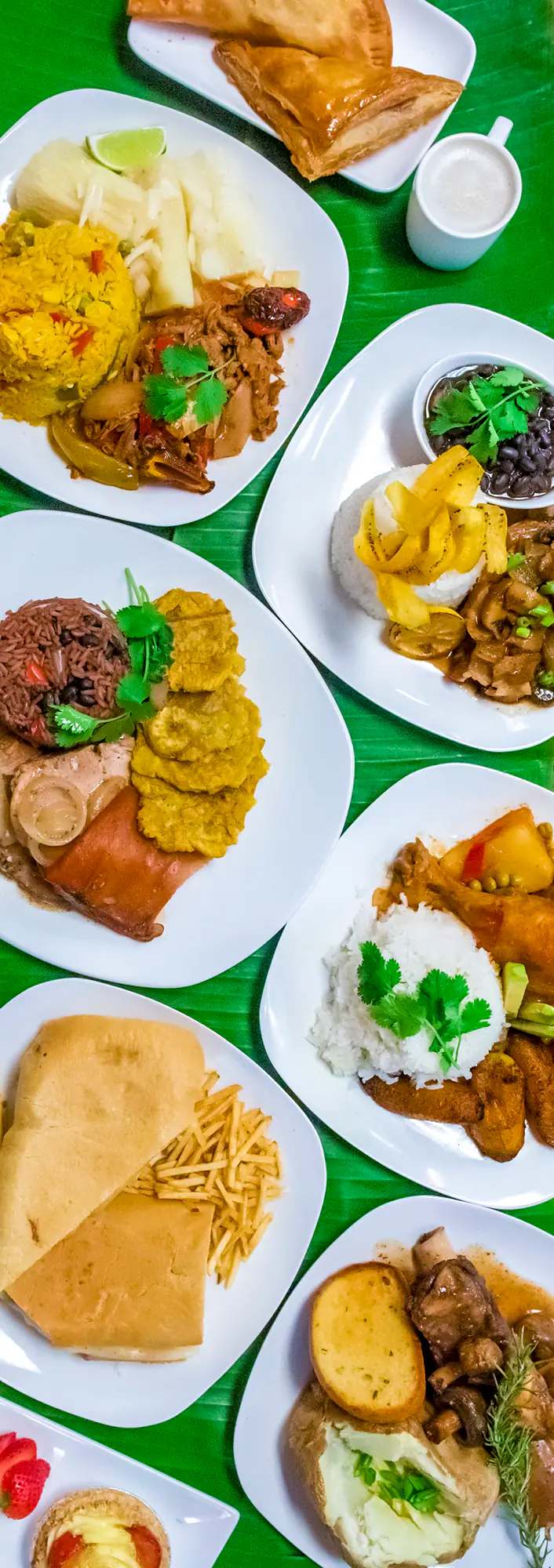
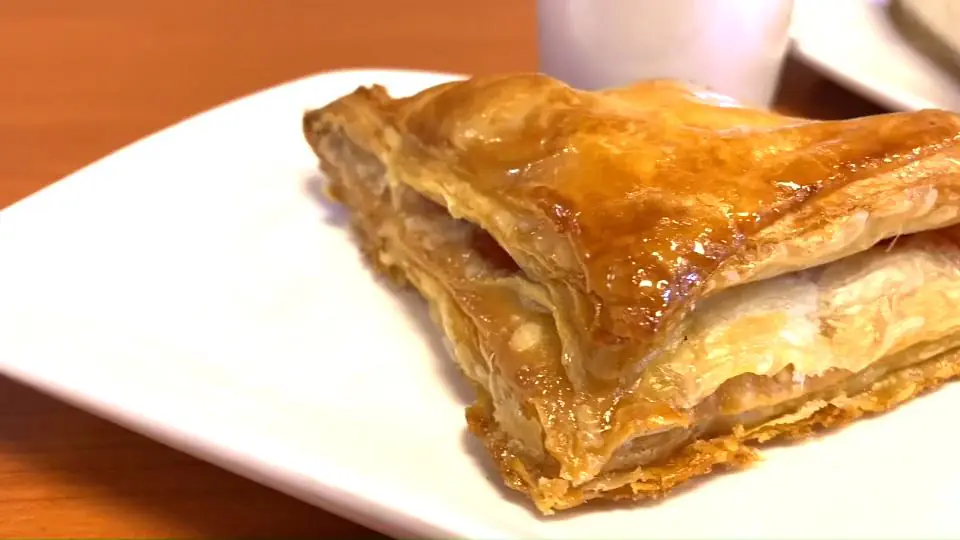
Walk into a Cuban bakery at the right hour and the first thing that reaches you is not the sight of pastries behind glass. It is the smell. Butter warming in layers of dough, guava bright and almost floral, strong coffee carrying that deep roasted edge that wakes up the whole room. Before anyone says a word, the bakery has already told you where you are and what matters there.
That is the quiet power of a good Cuban bakery in Aurora CO. It does more than sell breakfast or dessert. It carries memory through recipes, routine, and hospitality. In a city known for its broad mix of cultures and neighborhoods, a bakery like this becomes both a local stop and a cultural anchor. Some customers arrive because they grew up with these flavors. Others come in curious, guided by the scent of fresh bread or a friend’s recommendation. Both groups tend to leave with the same realization: Cuban baking is generous, deeply rooted, and harder to forget than most people expect.
Aurora may not be the first place outsiders think of when they picture Cuban food, but that is part of what makes the experience interesting. Heritage often shows up in places where communities put down roots and adapt without losing themselves. A bakery is one of the clearest expressions of that. It is practical, everyday, and intimate. You can learn a lot about a culture from the sweets it saves for celebrations, but you learn just as much from what people pick up on a Tuesday morning before work.
What makes a Cuban bakery distinct
A Cuban bakery does not feel like a generic pastry shop with a few tropical flavors added to the case. Its identity comes from a particular blend of influences, most notably Spanish traditions, Caribbean ingredients, and the immigrant history that shaped Cuban food over generations. The result is baking that values texture as much as sweetness, and comfort as much as display.
That balance matters. Cuban pastries are often rich, but they are rarely cloying when made well. Guava pastries should taste vivid and fruity rather than sugary for its own sake. A good pastelito has crisp, flaky layers that shatter lightly when you bite in, followed by a filling that gives structure and contrast. Cream cheese with guava is a classic pairing because the salt and tang of the cheese steady the sweetness of the fruit. Coconut appears often too, sometimes in cakes, sometimes in candies, sometimes in fillings that feel rustic rather than overly refined.
Bread plays an equally important role. Cuban bread, when done properly, has a thin crust and a soft interior with enough body to hold pressed sandwiches or absorb butter without collapsing. It is the sort of bread that can be part of a meal, not just a side note. In many Cuban households and cafes, bread and coffee are daily staples, which is one reason a bakery can feel like the center of a neighborhood rather than a special occasion destination.
Even the display case tells a story. You may see savory and sweet living side by side without the strict separation common in other bakeries. Empanadas, croquettes, and stuffed pastries belong there just as naturally as cakes and cookies. The point is not to make categories neat. The point is to feed people well, at different times of day, with food that reflects how they actually eat.
The emotional weight of familiar flavors
People sometimes talk about food heritage in broad, polished terms, but in a bakery it often comes down to something more personal. It is the pastry your grandmother bought after church. It is the coffee your father drank from a small cup, sweet enough to sharpen the roast rather than hide it. It is the smell of warm bread in a kitchen before school. For Cuban families, and for many immigrant communities more generally, the bakery can function as a bridge between old geography and new daily life.
That matters in a place like Aurora, where people from many backgrounds are building routines far from where earlier generations began. A Cuban bakery offers continuity. It gives older customers a place where the flavors do not need explanation. It gives younger ones a chance to taste tradition in a form that feels ordinary, accessible, and alive rather than museum-like.
I have seen this dynamic in bakeries of all kinds. The most telling moments are rarely dramatic. A customer points at a pastry and says, “This one, exactly like the kind my aunt used to bring.” Someone explains to a child why there is guava in the filling. A first-time visitor asks what pairs best with a cortadito, and the answer comes with a smile instead of a script. Heritage survives through those exchanges as much as through the recipe itself.
Why Aurora is a fitting home for this kind of bakery
Aurora’s food scene rewards places that feel grounded. Residents are used to seeking out excellent food in shopping centers, neighborhood strips, and family-run storefronts that rely more on repeat customers than marketing language. In that environment, a bakery has to be honest. You cannot fake freshness in pastry. You cannot fake the pull of a community gathering place. If the coffee is weak or the bread sits too long, people notice quickly.
That is part of the appeal of finding a Cuban bakery Aurora CO residents return to regularly. The loyalty usually comes from consistency. Fresh batches at the right times. Pastries that taste made by people who know the difference between flaky and dry. Savory items with enough seasoning to stand on their own. Coffee poured strong, often sweet, and served without fuss.
Aurora also has the kind of customer base that appreciates crossover. One household may come for breakfast pastries, another for sandwich bread, another for a birthday cake, another for espresso and a quick snack. A bakery that can serve all of them without losing its identity has a real advantage. Cuban baking is well suited to that range because it lives naturally between meal and treat, everyday habit and celebration.
The pastry case, read properly
If you are new to a Cuban bakery, the display case can be more revealing than any menu board. The classics tend to announce themselves once you know what to look for. The dough often has more structure than a supermarket Danish, and the finishes are less fussy than French patisserie. That is not a downgrade. It is a different set of priorities. Cuban pastries are built to be satisfying, shareable, and tied to daily life.
Here are a few items that often define the experience:
- Pastelitos de guayaba, flaky pastries filled with guava paste
- Pastelitos de guayaba y queso, with guava and cream cheese together
- Croquetas, crisp outside, creamy inside, often served as a snack or breakfast side
- Empanadas or savory stuffed pastries, depending on the bakery’s style
- Cuban coffee drinks such as cafecito or cortadito
The quality test is in the details. Guava should taste like fruit, not candy. Dough should feel laminated and delicate, not greasy. Croquettes should hold their shape and stay smooth inside instead of turning gluey. Even the sugar on top of a pastry matters. Too much and it overwhelms the filling. Too little and the balance can feel flat. These are small judgments, but they separate a bakery that merely offers Cuban items from one that understands them.
Coffee is not an accessory here
In many American bakeries, coffee is an afterthought. In a Cuban bakery, it is part of the structure. The sweetness, strength, and size of Cuban coffee all change how the food lands on your palate. A small cafecito can sharpen the buttery richness of pastry and keep breakfast from feeling heavy. A cortadito, mellowed with milk, gives a softer contrast to sweet pastries and savory bites alike.
People unfamiliar with Cuban coffee sometimes expect a large cup to nurse over an hour. That misses the point. Cuban coffee is concentrated, social, and direct. It wakes up your senses and pushes flavor forward. If you pair it well, you understand the bakery more fully. A guava pastry with a properly sweet, strong espresso-based drink makes more sense than the same pastry with a weak drip coffee that disappears beneath the sugar and butter.
There is also a cultural rhythm to coffee service that deserves respect. In many Cuban traditions, coffee is shared, offered, poured often, and integrated into conversation. It is not just fuel. At a bakery counter, that spirit survives in miniature. Even a quick stop can feel hospitable rather than transactional when the coffee is treated as part of the welcome.
Savory foods tell the deeper story
Visitors often focus first on sweets, which is understandable. Pastries are visible and inviting. But the savory side of a Cuban bakery is where you often see the strongest link to everyday eating. Croquetas, meat pastries, sandwiches on fresh bread, and small handheld items reveal how a bakery serves workers, families, and regulars who need more than dessert.
This is where judgment matters. A bakery trying to please everyone can drift into a vague assortment that loses coherence. A better bakery keeps the savory menu tied to the same principles as the pastries: strong technique, familiar flavors, and food meant to satisfy without performance. If the bread is baked in house, sandwiches have a different life to them. If fillings are seasoned properly and refreshed often, even a simple pastry can taste complete.
For many customers, the ideal visit includes both sides of the case. A savory bite for now, something sweet for later, coffee to bridge the two. That pattern reflects a style of eating that is practical and pleasurable at once. It also makes the bakery more than a dessert stop. It becomes part of the day’s routine.
Heritage survives through adaptation, not stagnation
One mistake people make when talking about cultural food traditions is assuming authenticity means freezing a cuisine in time. That is not how living food works. Cuban baking, like every strong food tradition, changes as communities move, ingredients shift, and local tastes enter the picture. A bakery in Aurora will not be identical to one in Miami, Tampa, or Havana. It should not be. Climate, supply chains, customer habits, and neighborhood economics all shape the menu.
The real question is whether the bakery adapts with judgment. Does it preserve the heart of the flavors? Does it understand which elements are structural and which can flex? A slight variation in pastry size or filling ratio is one thing. Replacing the identity of the item entirely is another.
Good bakers know the difference. They may adjust sweetness levels for a wider customer base, expand savory offerings for lunch traffic, or include cakes for birthdays and special orders that reflect local demand. None of that dilutes the culture if the foundation is sound. In fact, it often strengthens it by keeping the bakery relevant and busy enough to continue.
The role of celebration
Bakeries hold a special place in milestone moments, and Cuban bakeries are no exception. Birthdays, baptisms, holidays, office gatherings, and family reunions often pass through the bakery counter in the form of cakes, pastry trays, and savory platters. That matters because culture is reinforced not only by what people eat alone, but by what they choose when they gather.
A bakery that serves a community well often becomes woven into its calendar. People remember the cake from a child’s birthday, the pastry tray at a graduation party, the bread picked up for a holiday meal. Those moments create loyalty that goes far beyond convenience. They also give younger generations repeated contact with foods that might otherwise become occasional novelties.
In practical terms, this means a strong Cuban bakery in Aurora CO is likely doing more than retail pastry sales. It is helping families host, celebrate, and mark time. That is a different level of importance. A bakery can be small in footprint and still have a large cultural reach if https://brookstnnh456.focalledger.com/posts/cuban-bakery-aurora-co-fresh-pastries-made-with-care its food shows up wherever people gather.
What first-time visitors should know
If you are planning a first visit, timing and expectations make a difference. Bakeries run on production cycles. The best selection is often earlier in the day, especially for breads and the most popular pastries. Ask questions if you are unfamiliar with the case. In well-run places, staff usually know which items are sweet, which are savory, and which pair best with coffee.
A few practical habits help:
- Go earlier if you want the fullest pastry and bread selection
- Order both one sweet and one savory item for a fuller picture of the bakery
- Pair your choice with Cuban coffee rather than standard drip if available
- Ask what was baked most recently if freshness is a priority
- Buy extra if you are taking pastries home, they move quickly
There is also value in being open to the less obvious item. The pastry you cannot pronounce may end up being the one you remember. One of the pleasures of neighborhood bakeries is that discovery happens in small, low-risk ways. You are not committing to a formal tasting menu. You are trying breakfast.
The difference between novelty and tradition
As Latin American and Caribbean foods have become more familiar across the country, some bakeries lean heavily on visual novelty. Bright cases, oversized sweets, hybrid pastries, and social media-friendly displays can draw attention, but they are not the same thing as quality. A bakery rooted in Cuban heritage does not need to shout. Its strength is usually quieter.
That restraint is worth appreciating. Cuban baking tends to value balance over spectacle. Texture matters. Freshness matters. Repetition matters. The customer who returns every Saturday notices whether standards hold. That is a more meaningful test than whether a pastry photographs well under bright lights.
This does not mean innovation is unwelcome. It means innovation has to respect function and flavor. A creative seasonal pastry can be excellent if it still feels coherent within the bakery’s broader identity. The danger comes when a shop starts chasing attention at the expense of the foods that built trust in the first place.
Why local bakeries still matter
It is easy to underestimate what a neighborhood bakery contributes until one disappears. Once it is gone, people realize they lost more than a place to buy bread. They lost an easy ritual, a familiar face behind the counter, a source of food that made ordinary days better. In immigrant and heritage-driven businesses, that loss can be even sharper because the bakery often carries stories, habits, and flavors not easily replaced elsewhere.
A Cuban bakery in Aurora CO matters for exactly that reason. It gives the city something specific and rooted. It offers residents a daily encounter with Cuban food culture that is more intimate than a sit-down meal and more enduring than a trend. It also gives Cuban families a place where identity is not packaged as an event. It is simply there, in the bread, the coffee, the pastry case, the conversations, and the people who know what to order without thinking twice.
That kind of place earns its value slowly. One customer at a time. One tray of pastries for an office meeting. One box brought home on a Sunday morning. One child learning that guava and cream cheese belong together. These are modest transactions on the surface, but they accumulate into something larger: continuity.
A bakery as a cultural doorway
For anyone new to Cuban food, a bakery is one of the best places to begin. It is approachable, affordable, and rich with clues. You can taste contrast in a single visit, sweet against savory, crisp dough against smooth filling, intense coffee against buttery pastry. You can also observe how a culture expresses generosity in a practical setting. There is something revealing about food made not for ceremony alone, but for the regular pace of life.
And for those already connected to these traditions, the value runs deeper. A good bakery does not simply recreate old memories. It makes space for new ones. It lets heritage stay active in the present tense.
That is what makes a strong Cuban bakery Aurora CO residents can rely on so important. It is not just a stop for pastries. It is a place where flavor carries history without needing to announce it. You taste the layers first. Then, if you pay attention, you understand the rest.
Cuba Bakery & Café
15028 E Mississippi Ave, Aurora, CO 80012
+1 303-752-2822
FAQ About Cuban bakery Aurora CO
What are Cuban pastries called?
Many small Cuban pastries are called pastelitos. They can have sweet or savory fillings, such as guava, cheese, guava and cheese, or seasoned meat. Cuba Bakery & Café lists guava, cheese, guava-and-cheese and beef pastries on its menu. Ask the bakery about current availability and ingredients when ordering.
What are traditional Cuban pastries?
Common Cuban bakery choices include flaky pastelitos filled with guava, cheese or meat. Cuban bakeries may also offer empanadas, breads and desserts alongside coffee. Cuba Bakery & Café lists pastelitos, several empanada fillings, pan Cubano and desserts such as tres leches and bread pudding. Selection can vary, so confirm the day's choices with the bakery.
What makes Cuban bread different?
Cuban bread is known for its light interior and a thin crust that becomes crisp when toasted or pressed. Traditional recipes often use lard, although ingredients vary by baker. It is commonly served as buttered toast or used for Cuban sandwiches. Cuba Bakery & Café lists pan Cubano and tostada on its menu; ask staff about the ingredients in their bread if you have dietary restrictions.